

DNSEP, Art Track
Rouen campus
The goal of the Master’s program in Art is to guide students in developing independent thinking and working skills. Over the course of the two-year program, students build upon and consolidate the skills acquired during their undergraduate studies and engage in personal research, thereby establishing their artistic identities.
The program unfolds through a unique and personalized journey that combines studio work, theoretical instruction, study abroad experiences, and professional internships. The first year is devoted to defining the visual art project and the thesis project, developing an individual methodology, and deepening technical skills. The second year is dedicated to preparing for the National Higher Diploma in Visual Arts (DNSEP) and the thesis. Academic support alternates between individual guidance and group “contextualization” sessions where each student practices presenting their work in a spatial setting. In addition, there are regular exchanges with professionals from the art world during specific projects, offering students a variety of perspectives on their work. The theoretical approach encourages exploration of multiple fields within the social sciences. A seminar on research methodology and writing supports the development of the thesis.
A professional development program runs throughout the two years of study and enables students to acquire knowledge regarding the organization of cultural institutions in the sector, as well as the legal, economic, and financial aspects of the artist-author profession.
The DNSEP examination takes place at the end of the final semester (S10) and consists of two parts: the evaluation of the thesis and the evaluation of the visual artworks by a jury.
Faculty
[table id=”2806″]
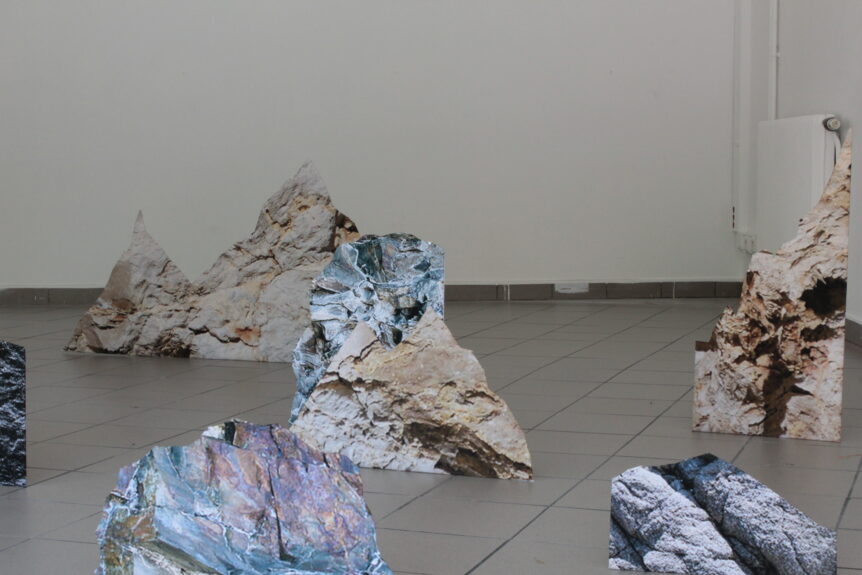
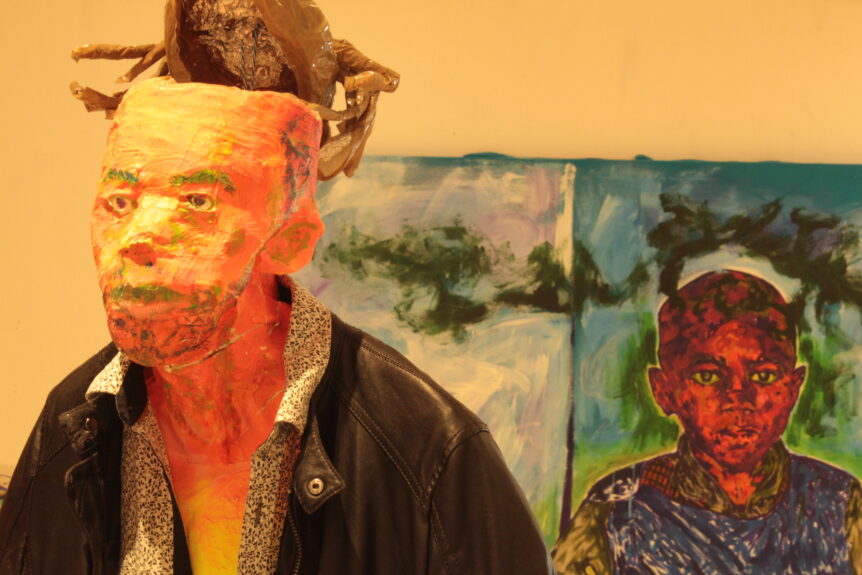
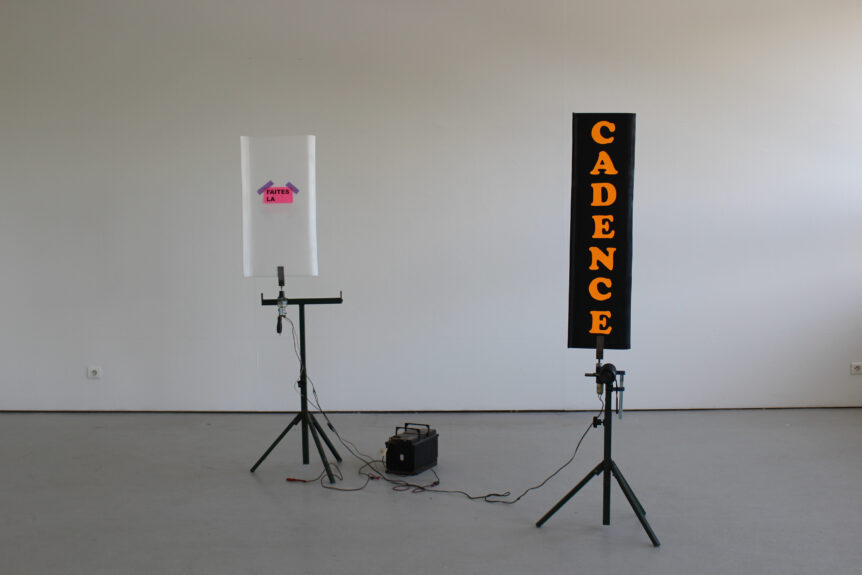
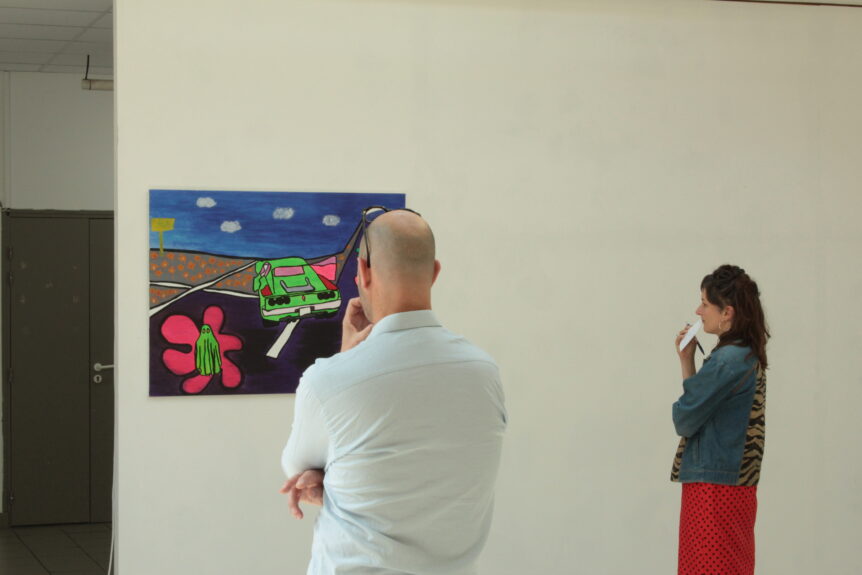
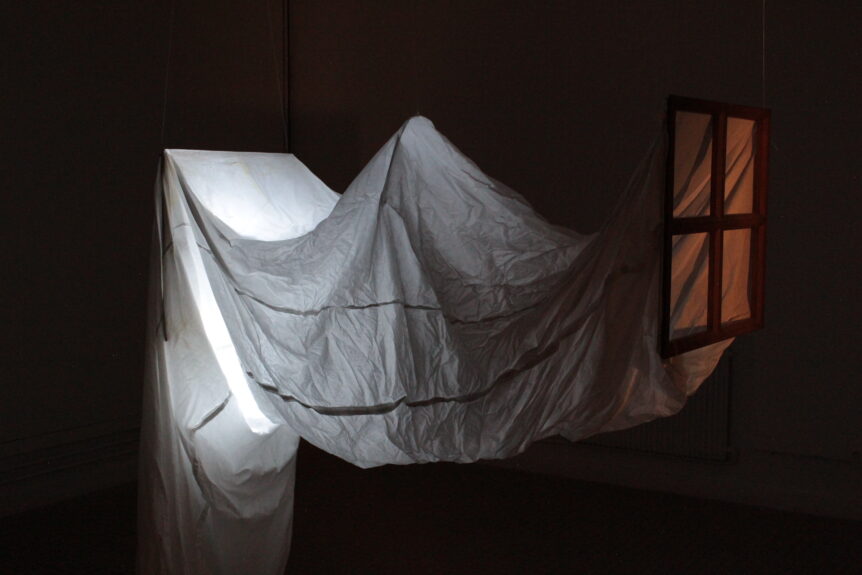
The fourth year is dedicated to deepening the technical, theoretical, and practical skills acquired during the undergraduate program. During this year, individual meetings with faculty members take on increased and decisive importance. Students begin preparing for the period following graduation and their future professional careers. During the fourth year, students begin work on their thesis and may also take advantage of study abroad opportunities through mobility programs (ERASMUS+) and external internships. Master’s students actively participate in the various research activities at ÉSADHAR.
Students must earn 228 credits to advance to the 9th semester; any missing credits must be made up during the fifth year. Earning 240 credits qualifies students for the CESAP (Certificate of Higher Studies in Visual Arts).
Coordinator: Tania Vladova
The fifth year is dedicated to preparing for the DNSEP, during which students focus on finalizing and presenting their personal creative project. The critical monitoring of each student’s progress by faculty members during individual meetings is essential; at this stage, “contextualization” sessions take on a decisive scope and importance for the students’ diploma presentations. The diploma is preceded by the defense of the diploma thesis.
Semester 10 is entirely devoted to preparing for the degree. The degree requires the successful completion of both the thesis defense (5 ECTS) and the visual presentation (25 ECTS) and validates the DNSEP program with 280 ECTS. In the event of a deferral, the DNSEP may be attempted a second time.
Coordinator: Jean-Paul Berrenger
Bachelor of Fine Arts (BFA)
Specialization in Public Environments and Situations
Le Havre Campus
The Environments and Public Situations (ESP) track is designed for students who wish to focus their work on practices that challenge the role of art and artists in public and shared spaces. Organized around projects and partnerships, the program’s goal is to create an immersive framework for reflection at the intersection of art, design, media, architecture, and performative practices. The pedagogical approach offers an experimental format based on hybrid, innovative, sustainable, and collaborative practices, where students learn to work directly within real-world contexts.
The DNSEP ESP is rooted in doing, action, and engagement. The program is organized around projects and partnerships and employs a pedagogy based on the exploration of “research situations” and “project ecologies.” Classes take place both on and off campus as needed. The program draws its methodology from design and architecture. Over the course of the two-year program, students learn to combine fundamental research with practical research. A place for living and exchanging expertise, the collaborative fabrication workshop is at the heart of the curriculum. Lectures and writing workshops round out the program.
Foreign language practice plays a significant role. Several theoretical and practical course modules are conducted in English, fostering a multilingual learning environment. Language instruction is tailored to each student’s level, with specific English courses for French-speaking students and French as a foreign language courses for non-French-speaking students. All students complete a semester of study abroad and/or an internship.
Students must earn 228 credits to advance to the 9th semester; any missing credits must be made up during the fifth year. Earning 240 credits qualifies students for the CESAP (Certificate of Higher Studies in Visual Arts).
Faculty
[table id=”2810″]
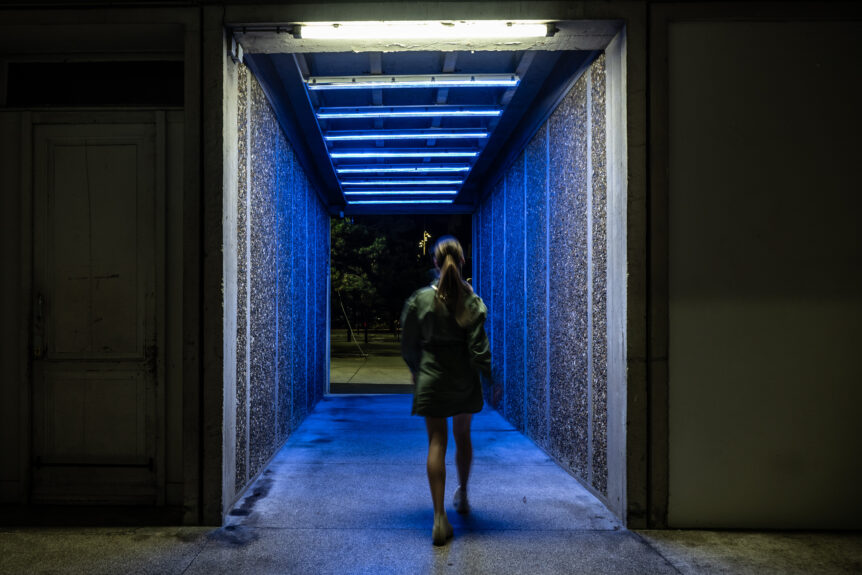
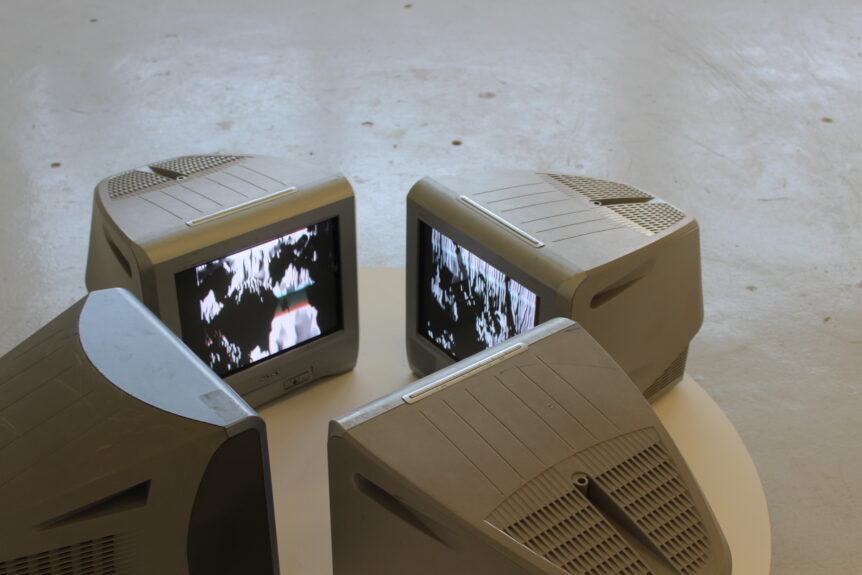
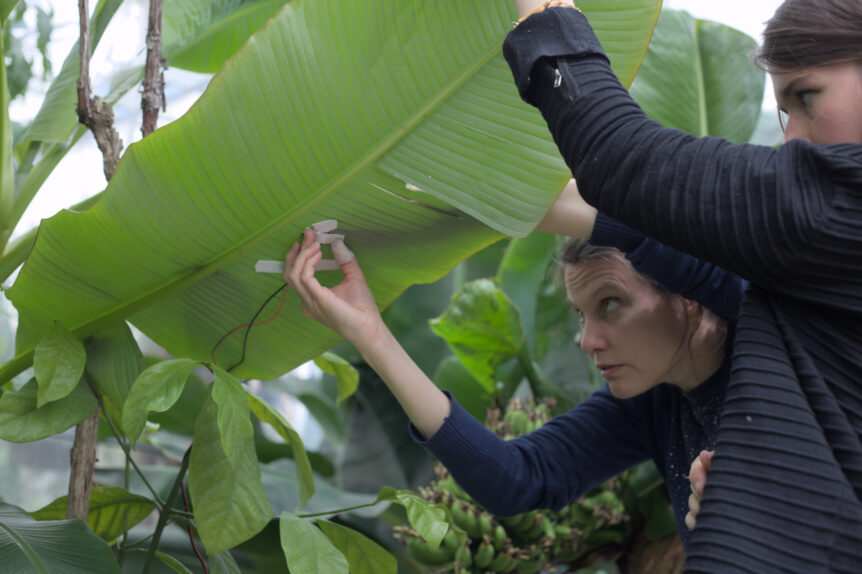
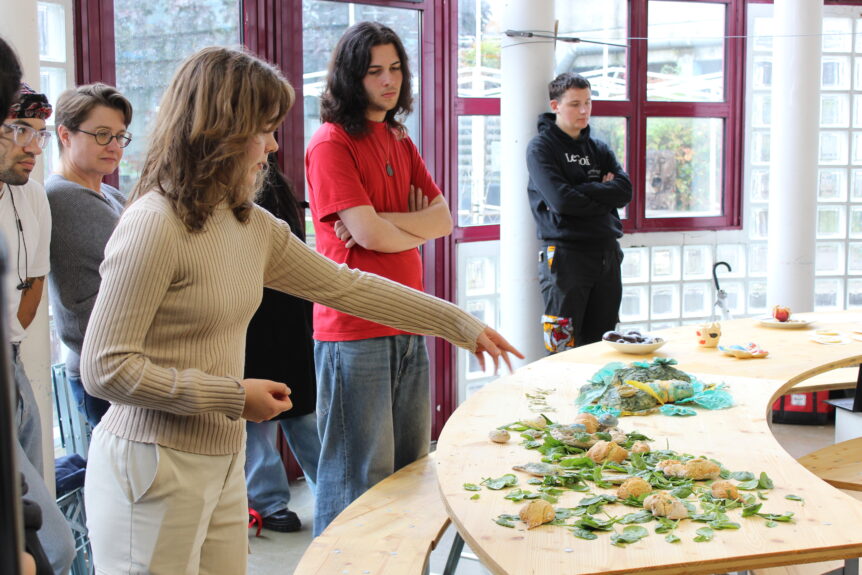
The fourth year of study is devoted to developing a personal project, preparing, writing, and editing the final thesis, as well as completing a professional internship or participating in an international exchange program.
Coordinator: Heiko Hansen
During semesters 9 and 10, students complete their personal projects, participate in workshops and a career day to meet professionals in the art world, and attend study days and seminars. This is also when students defend their thesis.
To advance to the 10th semester, students must have earned 270 credits.
Coordinator: Helen Evans
Bachelor of Fine Arts (BFA) with a concentration in Art
Literary Creation Track
Le Havre Campus
Unique in France, this program leads to a DNSEP in Art with a concentration in Creative Writing and a university master’s degree in partnership with the University of Le Havre Normandy. Students take courses that broaden their literary and artistic knowledge and engage in intensive creative writing.
The two-year program combines seminars, collaborative projects (radio shows, readings, and performances open to the public, etc.), and independent writing. Supported by a multidisciplinary teaching team composed of academics, authors, and artists, students explore the possibilities of their writing by developing their own methods and establishing their place within the field of contemporary literature.
Each student receives individualized guidance from a mentor writer whose literary interests align with their own as they work on a creative writing project to be submitted at the end of the two-year program.
A key aspect of the dual-track program, workshops and masterclasses held throughout the year invite prominent figures from the literary world to share their own research and guide students’ creative experiments. In addition to academic courses, students have access to workshops (screen printing, risography, engraving, offset printing, bookbinding, digital fabrication, etc.) to experiment with the book as an object and explore performative practices. Educational and interdisciplinary bridges with other programs offered at ÉSADHAR contribute to the program’s dynamism.
- Publications by graduates of the Master’s in Literary Creation
link coming soon
Faculty
[table id=”8321″]
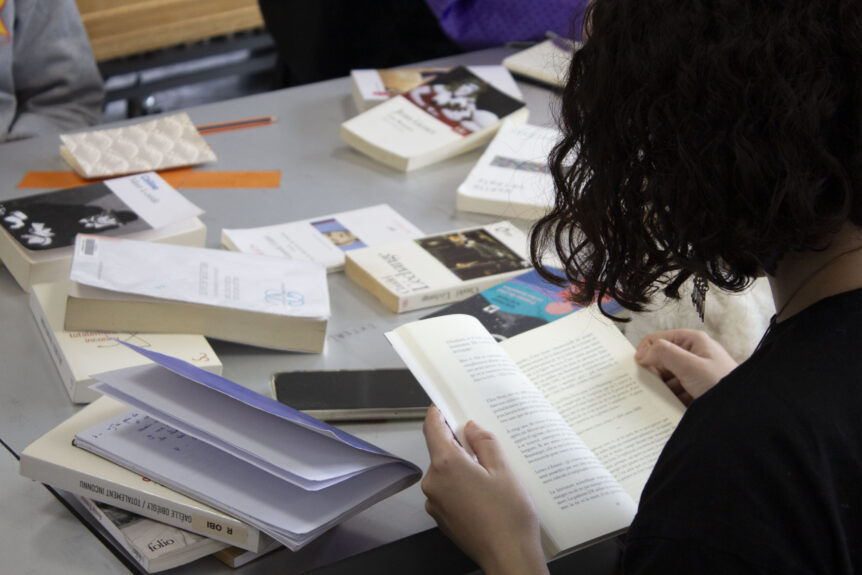
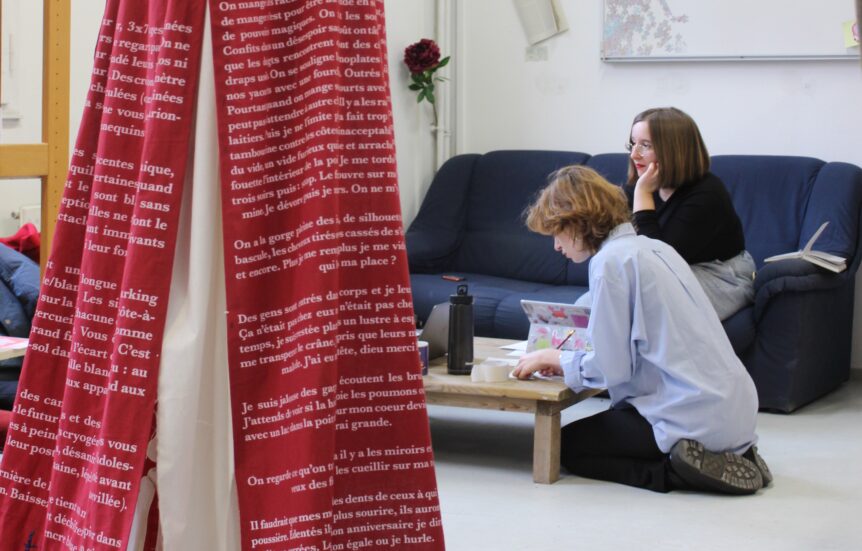
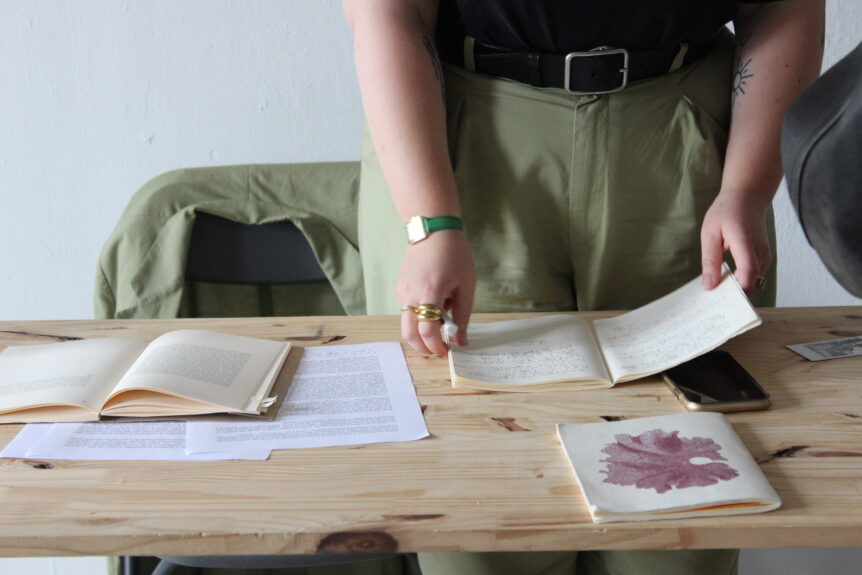
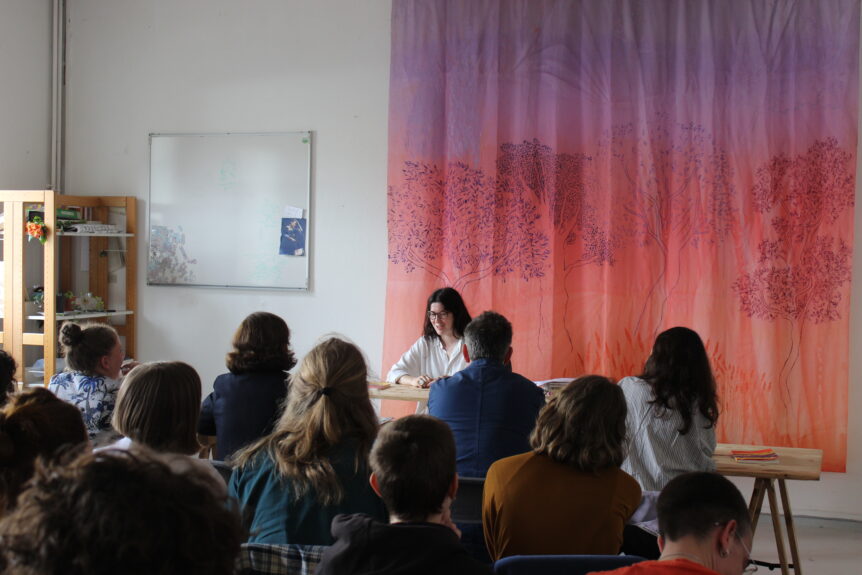
The fourth year marks the beginning of in-depth work in Creative Writing. Regardless of students’ prior backgrounds, this is a year dedicated to exploring the potential of each student’s writing, through workshops and meetings with established writers, supported by theoretical courses at the university. It is also the year in which students commit to their literary projects.
Coordinator: Frédéric Forte
The fifth year, while allowing students to continue their explorations and participate in workshops with writers, is dedicated to completing the literary project. The 10th semester is entirely set aside so that this project, guided by a mentor writer, can be successfully completed and presented to the DNSEP jury.
Coordinator: Frédéric Forte
DNSEP, Graphic Design and Interactivity Track
Le Havre Campus
The DNSEP in Graphic Design and Interactivity spans both the fields of publishing and digital media: editorial design (print and web), poster and print design, design for public spaces and wayfinding, typography, writing, programming and creative coding, digital interface design, data design, AI, connected devices, and more.
Starting in the first year of the master’s program, students lay the groundwork and formulate the hypotheses for their personal thesis project. Seminars, group projects, individual meetings, and workshops with external guest speakers allow students to deepen their reflections and guide them in developing a unique methodology. Real-world commission scenarios with various ÉSADHAR partners contribute to professional development. In the second semester of the fourth year, students apply their acquired skills during a professional internship or a study abroad program.
The second year focuses on the completion of the degree project, which includes a research thesis and a creative project. It serves as a synthesis of the student’s academic journey and establishes their position regarding the challenges of contemporary graphic design. The goal is to articulate a perspective that is both personal and critically engaged, demonstrating a mastery of tools, languages, and forms.
A professional development program runs throughout the two years of study and enables students to acquire knowledge regarding the organization of cultural institutions in the sector, as well as the legal, economic, and financial aspects of the artist-author profession.
The DNSEP examination takes place at the end of the final semester (S10) and consists of two parts: the evaluation of the thesis and the evaluation of the visual works by a jury.
Faculty
[table id=”2808″]
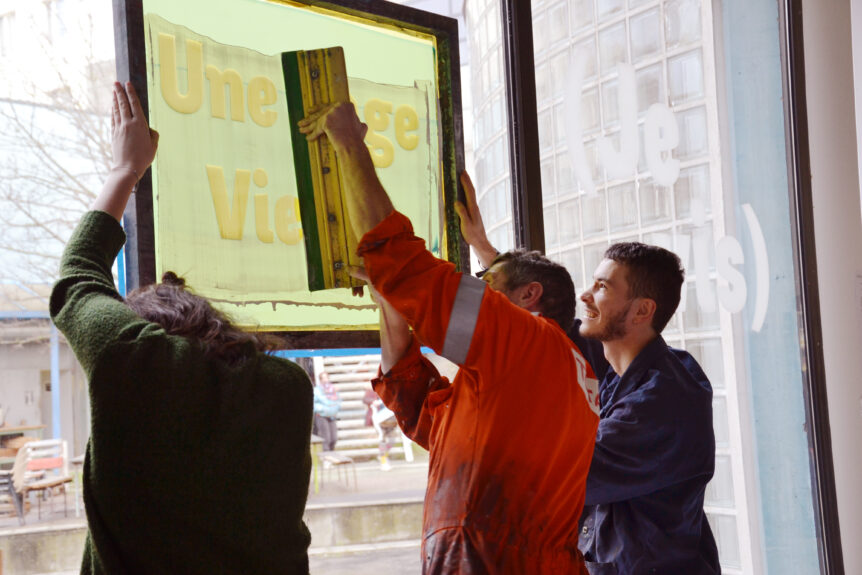
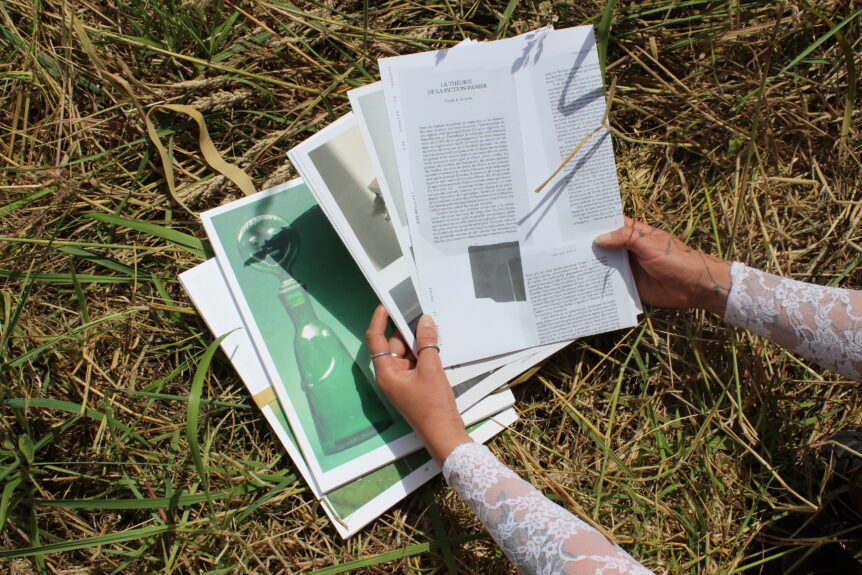
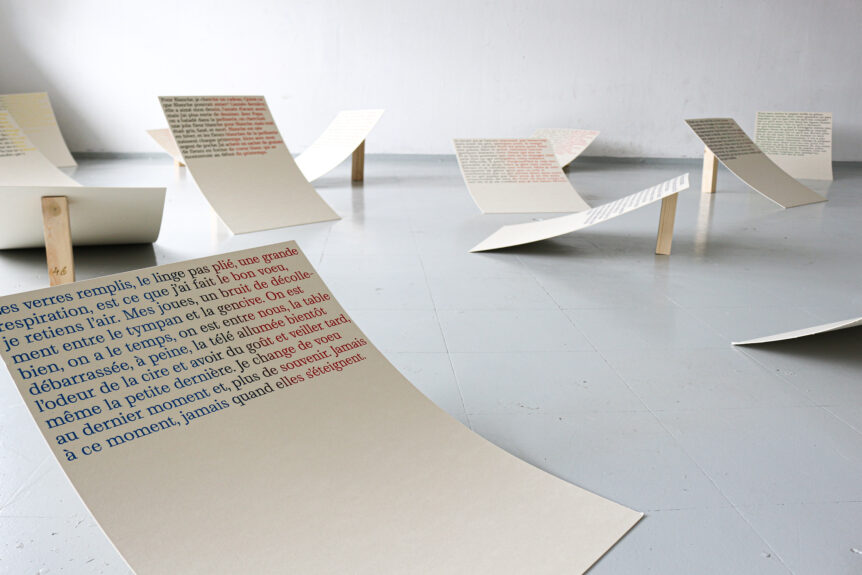
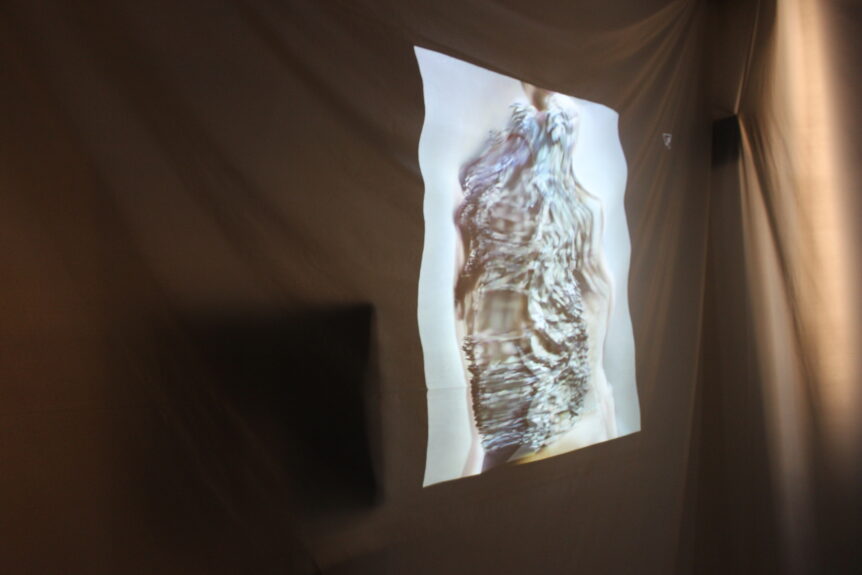
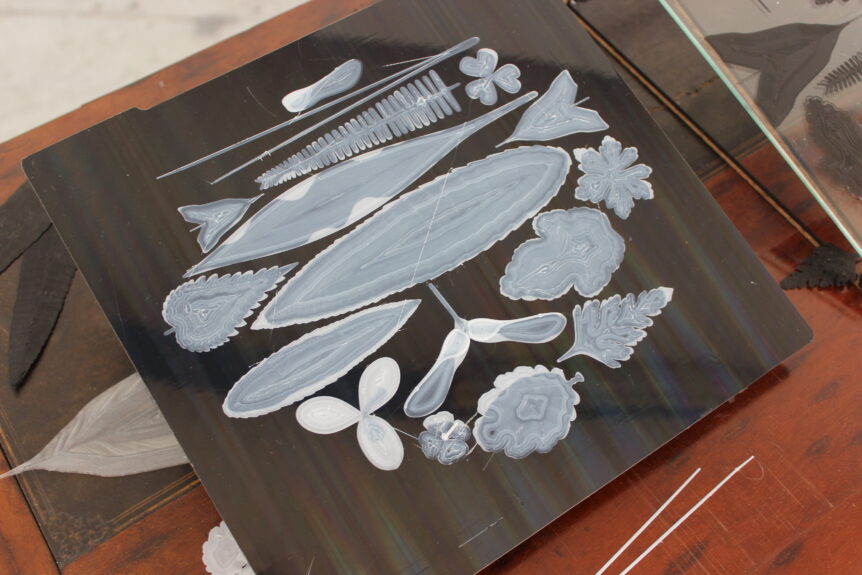
The fourth year lies at the intersection of experimentation and the development of a personal project that culminates in the presentation of the DNSEP. With support from the faculty, students engage in collaborative reflection through workshops, exhibitions, lectures, and symposia designed collectively. The fourth year also offers professional development opportunities in partnership with cultural actors through key projects. It is also the time to participate in an international exchange at one of the partner schools or to secure an internship abroad, offering students the chance to discover different approaches, sensibilities, and ways of working, seeing, or thinking. The fourth year is also the starting point for writing the thesis, which will be presented to the degree committee.
Students must earn 228 credits to advance to the ninth semester; any missing credits must be made up during the fifth year. Earning 240 credits qualifies students for the CESAP (Certificate of Advanced Studies in Visual Arts).
Coordinator: Vanina Pinter
The fifth year is the culmination of students’ individual research. It is primarily devoted to preparing for the degree examinations. In the ninth semester, the schedule is largely focused on finalizing the thesis through to the defense. The tenth semester is devoted exclusively to artistic practice and meetings with faculty members. Students also actively participate in a career day to meet professionals in the art world.
Advancement to the 10th semester requires the completion of 270 credits.
Coordinator: Yann Owens