

Mission
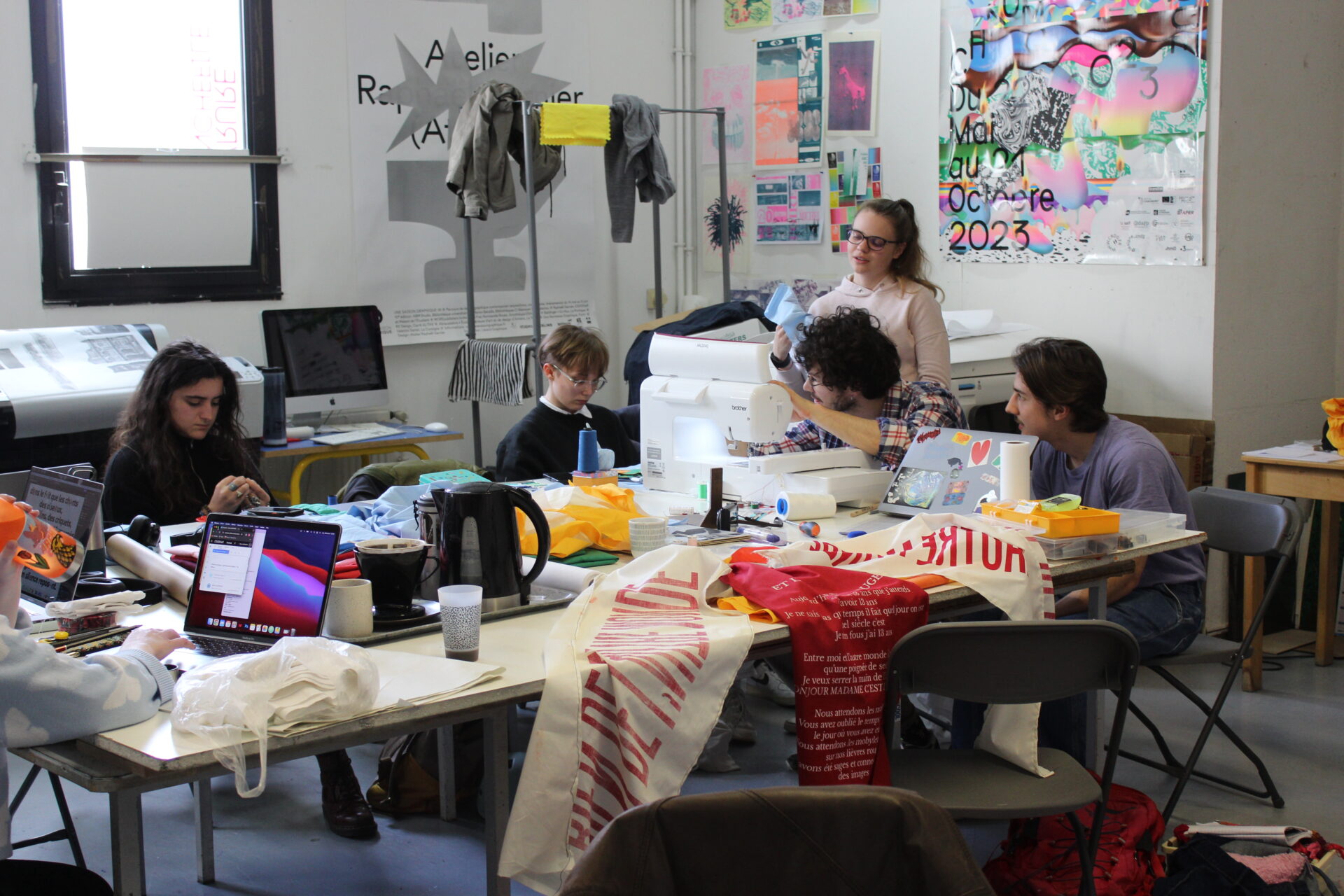
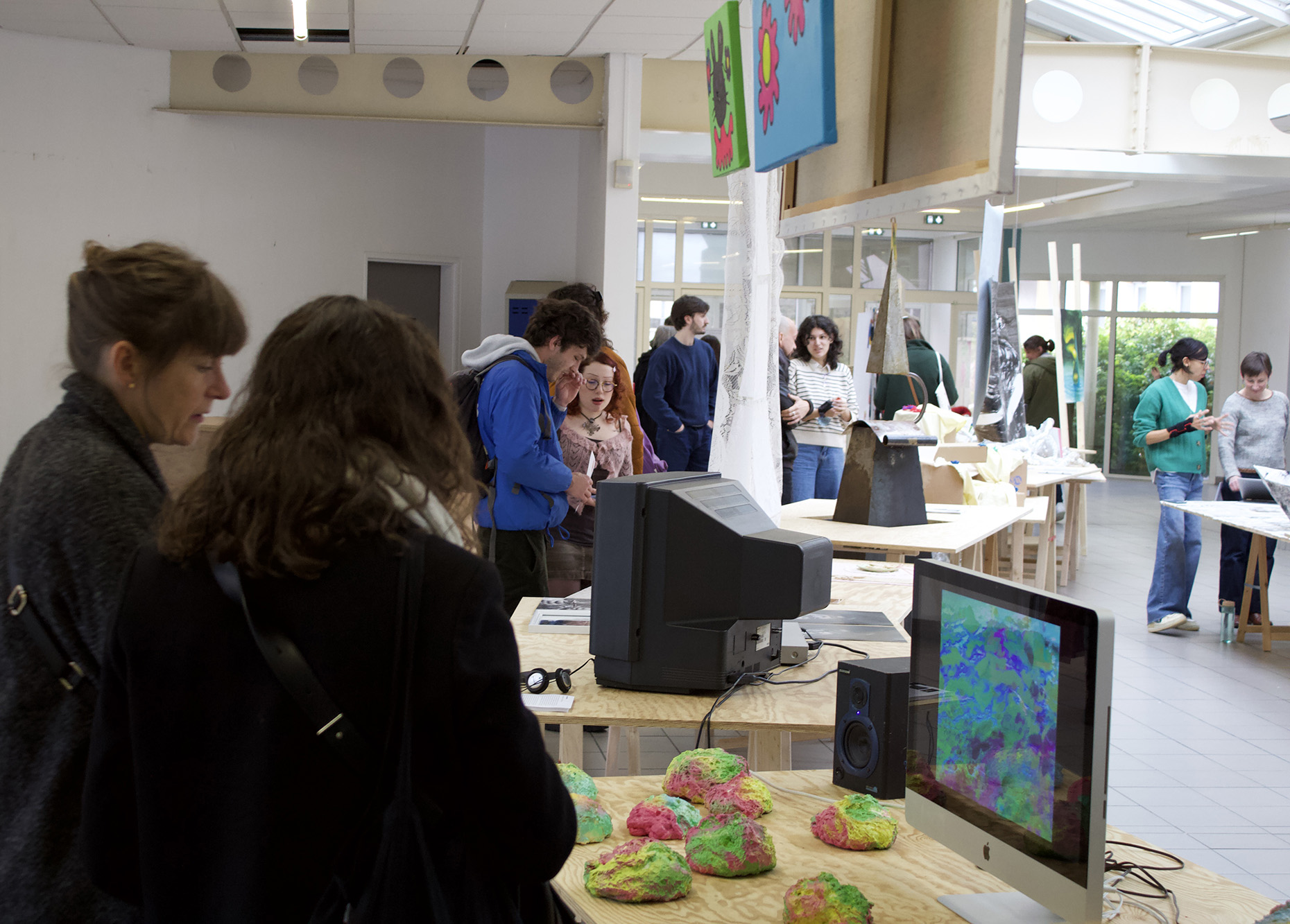
The Le Havre-Rouen School of Art and Design (ésadhar) is a public higher education institution specializing in art, graphic design, and creative writing in Normandy. It is located on the banks of the Seine and is easily accessible by train from Paris.
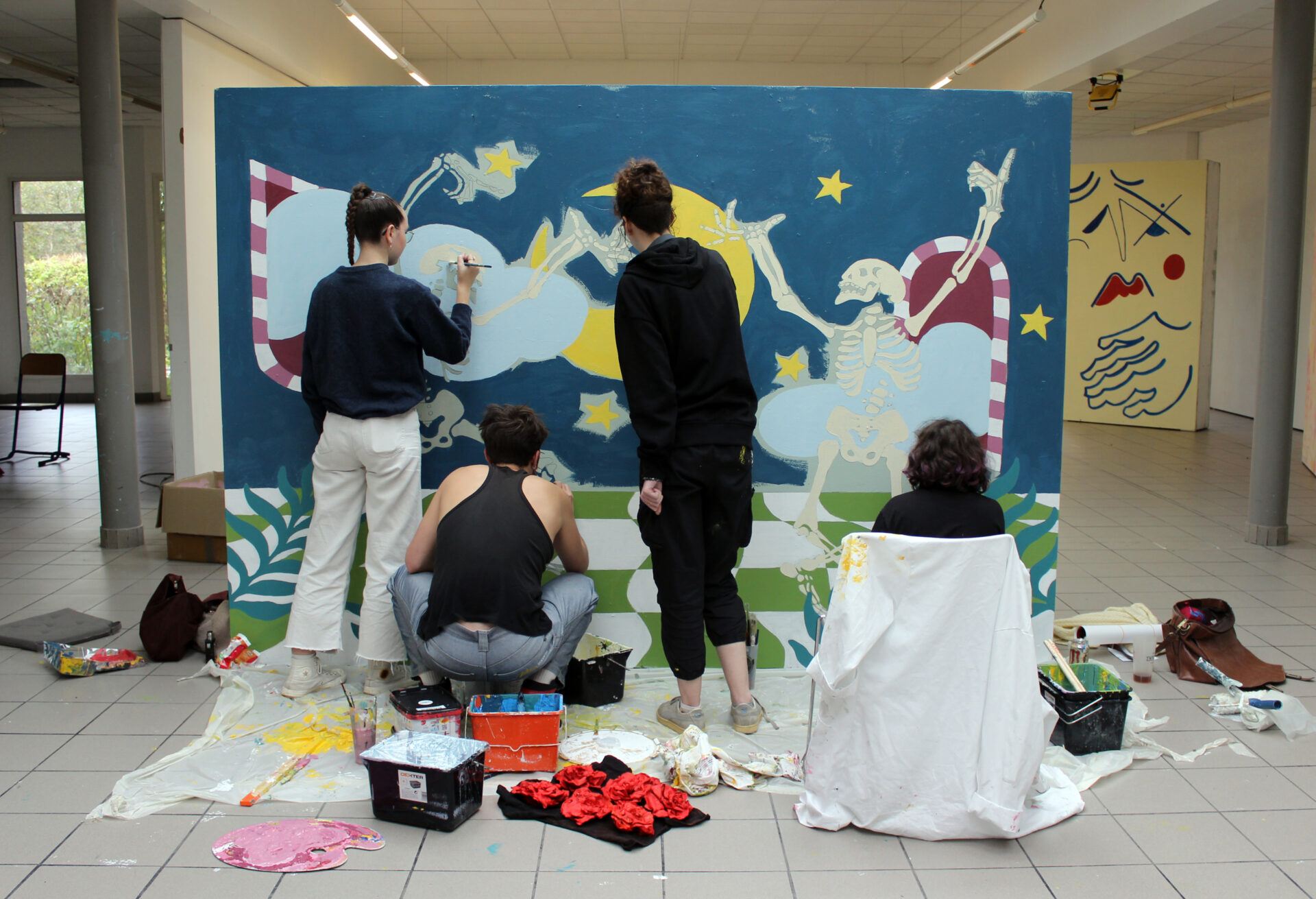
The Ésadhar welcomes around 300 students and offers comprehensive arts education in both initial training and continuing education (VAE). The Ésadhar also provides public courses to more than 500 children, teenagers, and adults. Under the supervision of the Ministry of Culture, the Ésadhar awards national diplomas, conferring bachelor’s and master’s degrees.
Each of the two campuses has its own distinctive features that contribute to the school’s unique identity. The Le Havre campus is located close to the university, in a seaside town whose remarkable post-war architecture is listed as a UNESCO World Heritage Site. The Rouen campus benefits from the dynamism and cultural offerings of a city with more than 45,000 students and numerous schools, including the École Nationale Supérieure d’Architecture de Normandie.
Strongly committed to the development of research in art and design, ésadhar, in partnership with ésam Caen/Cherbourg, ENSA Normandie, and Normandie Université, offers the possibility of continuing studies beyond the master’s degree with the RADIAN doctoral program. The research journal ard – Art Recherche Design contributes to the school’s national reputation. The school has developed numerous relationships within its region and within a variety of professional networks. Local, national, and international partnerships allow students to benefit from opportunities that enrich their studies and deepen their professional skills. ésadhar is committed to an educational model for teaching art and design that integrates the challenges of current and future transitions. Studying art and design at ésadhar means participating in the construction of new scenarios that bring promise and hope for the future.
History
Created in 2011 as a public cultural cooperation institution (EPCC), the Le Havre-Rouen Higher School of Art and Design was born from the merger of two schools rooted in the history of their regions, whose evolution reflects that of higher education in art and design in France. The Ésadhar is funded by the French government (Ministry of Culture), the Normandy Region, the Rouen Metropolis, and the City of Le Havre.
Higher education in art and design: a history of the regions
From the mid-18th century onwards, academies of fine arts and decorative arts began to appear in Paris and all the major provincial cities. Depending on the region, these were schools that, through workshop practices, promoted the fine arts, which were then grouped into four disciplines: engraving, sculpture, painting, and architecture. They trained skilled workers in these disciplines to support the development of the rapidly expanding industry. Throughout the 19th and 20th centuries, art education continued to develop, emphasizing on the one hand professional training in artistic excellence and crafts, and on the other hand courses for amateur audiences.
The events of 1968 led André Malraux to create the national schools of architecture in 1970, severing the historical link with the fine arts schools. During the 1970s and 1980s, higher education in the fine arts underwent a profound transformation, gradually breaking with academicism. The introduction of theoretical teaching helped to break down the barriers between courses traditionally linked to specific professions, opening up a more generalist approach to art and creation, placing the artist as author at the heart of the teaching process.
The creation in 1977 of the national higher diploma in plastic arts provided a national framework for fine arts education and anchored schools in higher education. Public art and design schools joined the European LMD system in 2002, resulting in a transformation of curricula and diplomas. Today, higher education art and design schools are evaluated by the High Council for Evaluation of Research and Higher Education (Hcéres), enabling schools to award the National Diploma in Art, which confers a bachelor’s degree, and the National Higher Diploma in Plastic Expression, which confers a master’s degree.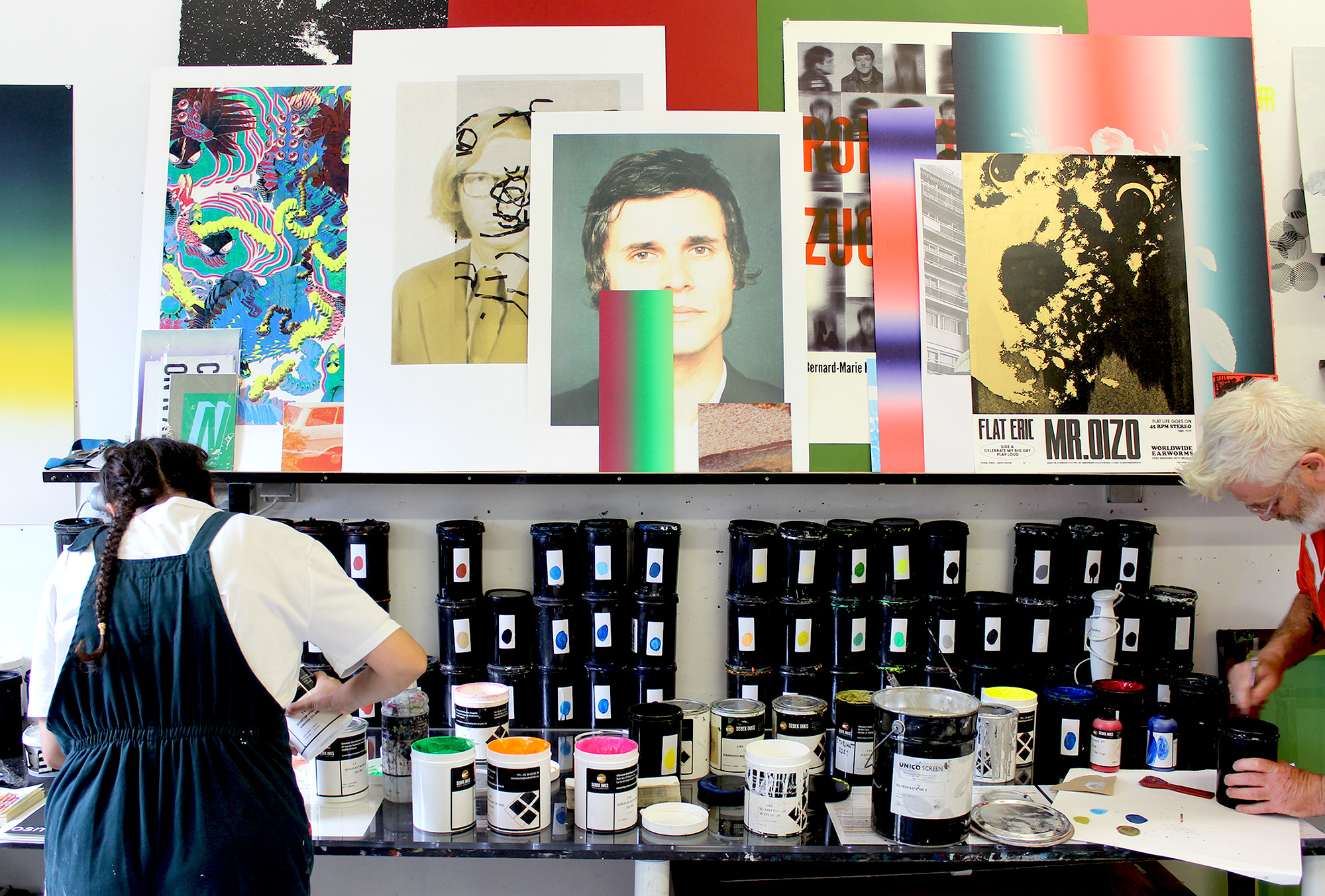
The Le Havre campus
The Le Havre school dates back to 1800 with the creation of the free drawing school by architect Antoine-Marie Lemaître, a former student of the Paris Academy. At that time, the focus was not so much on training artists as on educating the eyes and hands of workers through the study of drawing.
In 1927, the school moved to Rue Anatole France and changed its name to the Regional School of Fine Arts. Its current form, with a curriculum leading to a diploma, dates back to 1956. At that time, the options offered covered the fields of advertising, decoration, and painting.
Starting in 1978, the first DNSEP (Diplôme National Supérieur d’Expression Plastique) degrees were awarded to students in Communication, then in Art starting in 1980.
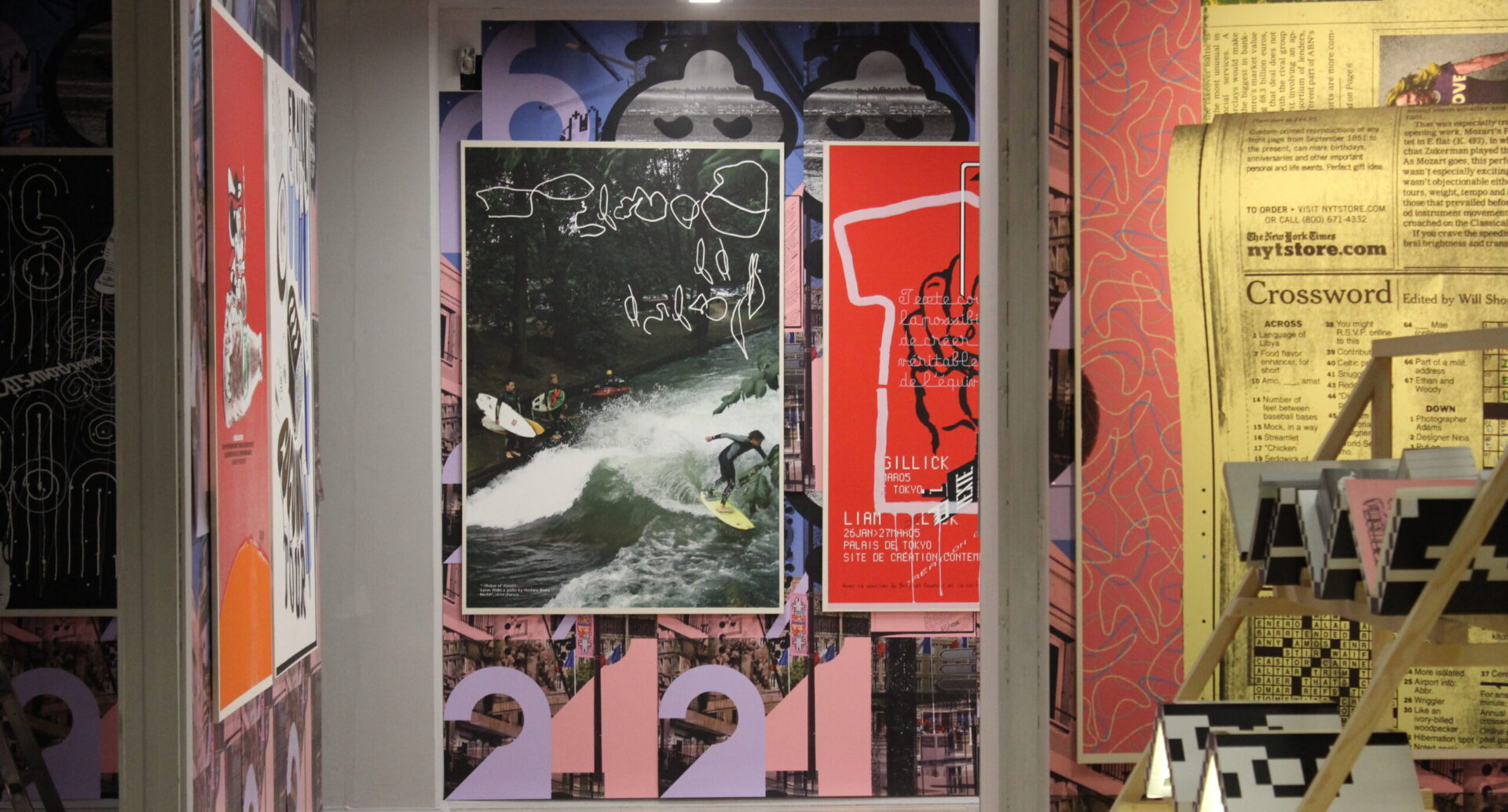
With a strong specialization in graphic design, the Ésadhar, alongside the University Library and the Le Portique Regional Art Center, created the Une Saison Graphique event in 2009. This major event dedicated to contemporary graphic design has brought together nationally and internationally renowned graphic designers for 12 years.
The Master’s degree in Creative Writing in Le Havre was created in 2012 by Ésadhar and the University of Le Havre. Ésadhar is the only institution in the landscape of higher art schools to award a DNSEP (State Diploma of Higher Education in Art) in creative writing.
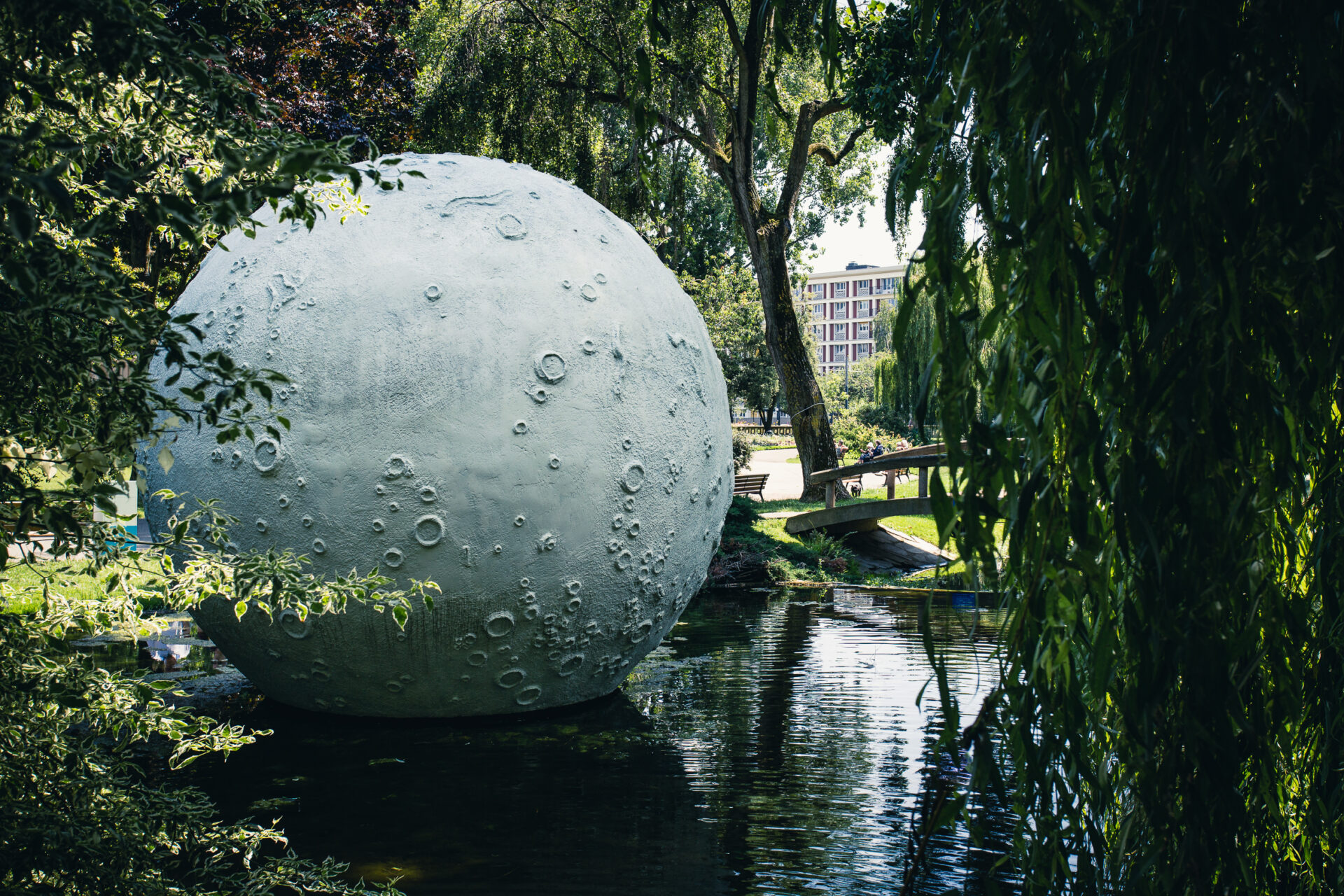
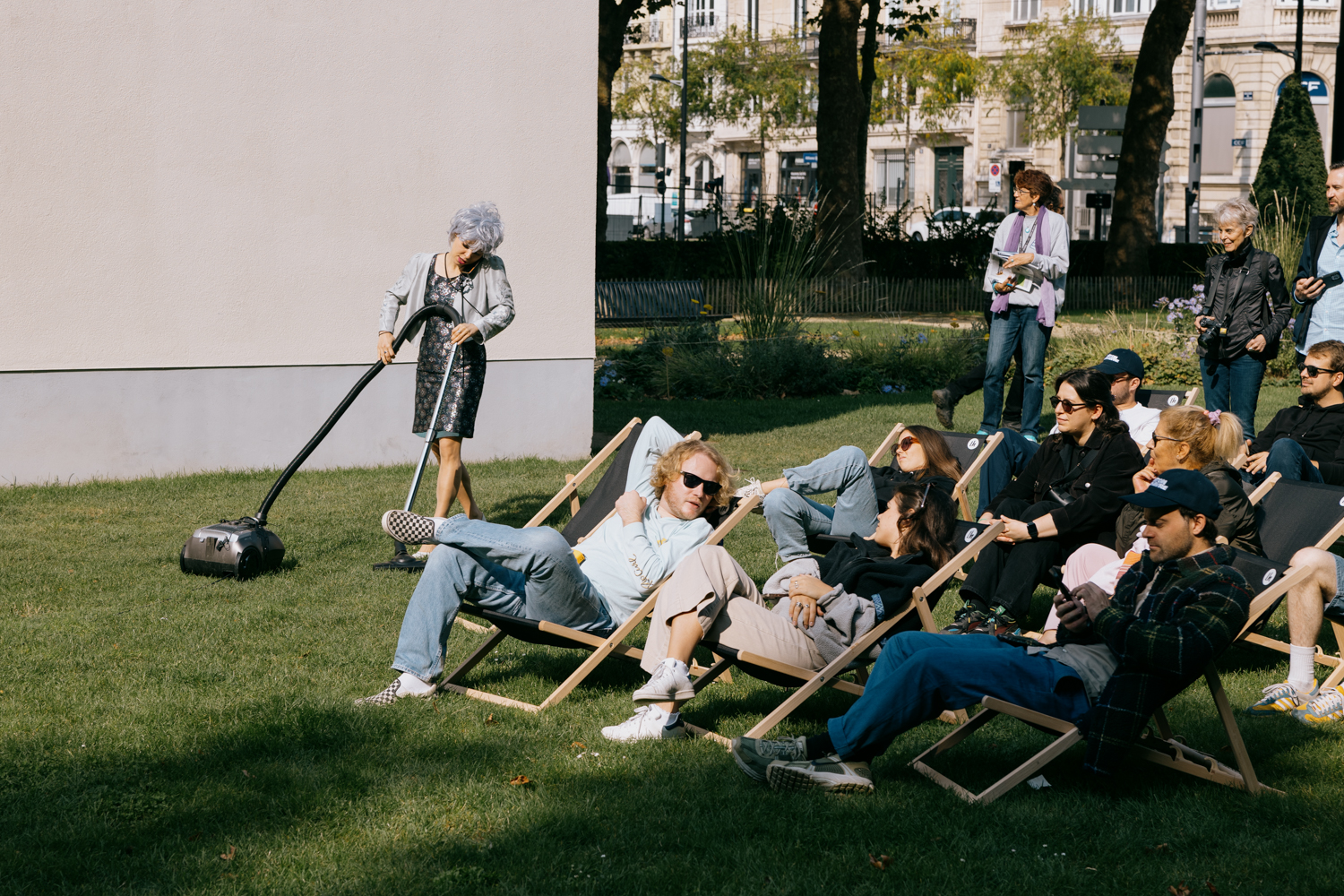
Now closely linked to the summer contemporary art event Un Été au Havre, the campus is developing a focus on art in public spaces, in addition to graphic design and creative writing. A new master’s degree in art has been offered since the start of the 2024 academic year, entitled DNSEP option Art mention Environnement et Situations Publiques (DNSEP option Art with a specialization in Environment and Public Situations).
After occupying a disused primary school on Rue Dumé d’Aplemont since 1973, in 1991 the school moved into a new building designed by Le Havre architect François Baillehache, at 65 Rue Demidoff, opposite the University.
The Rouen campus
The Rouen Regional School of Art was founded by painter Jean-Baptiste Descamps in 1741 and received official recognition by royal decree in 1750. Closed during the Revolution, the school reopened in 1804. It was part of the Écoles centrales, which were half-theoretical, half-practical, open to a wider range of disciplines and participants, and benefited from the historic rise of the Rouen bourgeoisie.
At the end of the 19th century, new concerns emerged; French art schools were invited to develop decorative arts departments. The Rouen School distinguished itself in this field to such an extent that it was selected to decorate a stand at the Grand Palais during the 1925 decorative and industrial arts exhibition.
After the bombings of World War II, the school moved in 1940 to the Aître Saint-Maclou, a former mass grave for plague victims from the Middle Ages and a building classified as a historic monument. Initially intended as a temporary location, art students ultimately remained there for 74 years.
In 2013, the city of Rouen decided to move the campus to the upper part of Rouen for safety reasons. This decision sparked a wave of heated controversy and protests. The campus is now located in the heart of the Grand’Mare district and occupies buildings covering more than 5,000 square meters surrounded by 12,000 square meters of land.
A research residency for curatorial practices launched in 2023 will pave the way for the creation of a new master’s degree program focused on socially engaged artistic practices.
School life
The governing bodies
Board of Directors (CA)
The BA meets three to four times a year and sets the school’s overall direction through its deliberations. It makes decisions on budgetary issues, employment, and the administrative life of the school. The BA is composed of 24 people, bringing together representatives of the school’s founding members: the Rouen Metropolis, the City of Le Havre, the Normandy Region, and the State, as well as elected representatives of the administrative, technical, and teaching staff, elected students, and qualified individuals appointed by the Rouen Metropolis and the City of Le Havre.
CST
The Territorial Social Committee (CST) is a social dialogue body, created in December 2022 from the merger of the Technical Committees (CT) and the Health, Safety and Working Conditions Committees (CHSCT). The CST is composed of an equal number of union and staff representatives. It is responsible for examining issues relating to the organization, operation, and management of the institution’s human resources. Representatives are elected by list voting; candidates run in pairs, one as a full member and one as an alternate.
Council for Education and Student Life (CPVE)
The CPVE discusses the school’s educational policies, the organization of studies, and student life. Chaired by the Director General, the CPVE brings together elected representatives of students, coordinating professors, administrative and technical staff, and the director of studies. It is common to both campuses and meets twice a year.
Improvement Council
The Improvement Council enables innovative and collaborative developments in teaching methods. It meets once a year, per campus and per cycle. Chaired by the directors of studies, the Improvement Council brings together the academic secretaries, coordinating professors, a professor appointed by the management, student representatives, and an external figure chosen from among the school’s partners.
Scientific Council
The Scientific Council is consulted on the institution’s research policy, participation in networks, research programs and agreements, the allocation of funds, draft scientific agreements, and links between teaching and research. It meets at least once a year at the initiative of the General Management.
Disciplinary Council
In the event of a serious breach of the internal regulations, a student may be subject to disciplinary sanctions. Disciplinary power is exercised by the Director General of the institution, in accordance with Article 13-3 of the EPCC statutes.