

DNA Art option
Rouen Campus
The Art option, based on a generalist approach to teaching, offers students the opportunity to experiment with a variety of techniques, skills, and methodological approaches. Students explore the widest possible range of artistic expression: drawing, painting, graphic design, printing, sculpture, installation, ceramics, photography, video, digital arts, etc. The acquisition of practical and theoretical foundations initiates the development of an autonomous artistic language and the gradual implementation of a unique project.
The first year of the program is an introductory year during which students test their aptitude for committing to a longer-term artistic training program. The program teaches the fundamentals, both practical and theoretical, while preparing students to continue their studies. The courses are organized around themes, materials, or ideas, and are accompanied by regular assessments and individual monitoring during studio work.
Years 2 and 3 prepare students for the National Diploma in Art (DNA). Building on what they learned in the first year, students gradually acquire critical and artistic autonomy, encouraging them to engage in more advanced personal research and experimentation. Experiences in the form of professional internships and international mobility programs complement the training during the second year. The third year completes the first cycle of studies. Students are encouraged to develop their own personal research, which can be further developed in the second cycle. Individual interviews with teachers and group sessions, where each student explores the challenges of exhibition design and practices mediating their work, accompany the maturation of the personal project that will be presented during the DNA exam.
The National Diploma in Art (DNA) certifies the completion of the three-year first cycle. It is a higher education diploma, registered with the RNCP (level 6) and conferring a bachelor’s degree. Obtaining the DNA allows students to apply to continue their studies in the second cycle and prepare for the National Higher Diploma in Plastic Expression (DNSEP). Each year is validated by the award of 60 credits, divided between the different teaching units (UE). A total of 165 credits must be obtained in order to sit the DNA exam. Successful completion of the DNA validates 180 credits.
The objective of the first cycle is to acquire fundamental practical and theoretical tools with a view to building the foundations of a personal career in the field of contemporary creation. Obtaining the DNA allows students to apply for the second cycle at ésadhar, or at another art school in France or abroad. It is also possible to continue studies at university or pursue other specialized training.
Teaching team
[table id=”2806″]
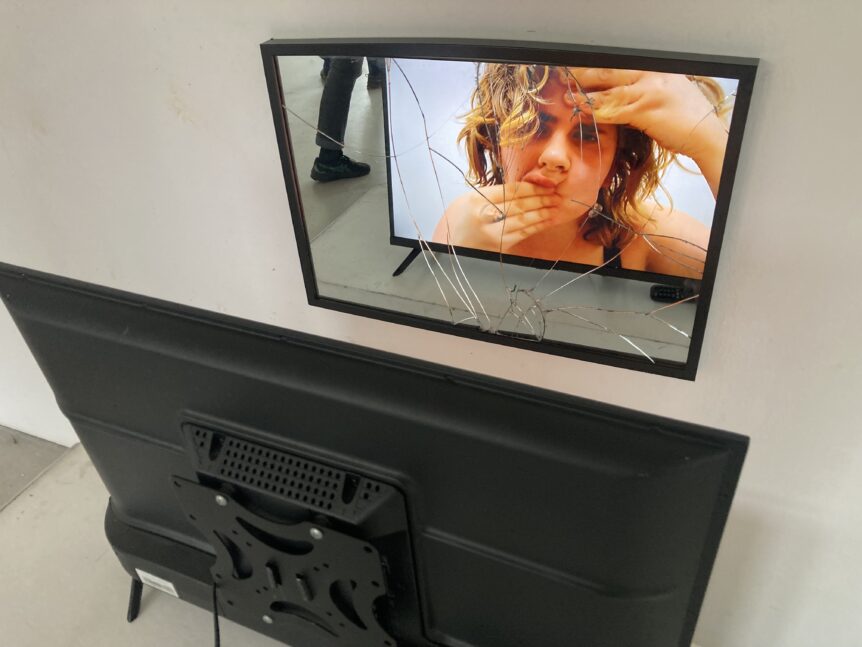
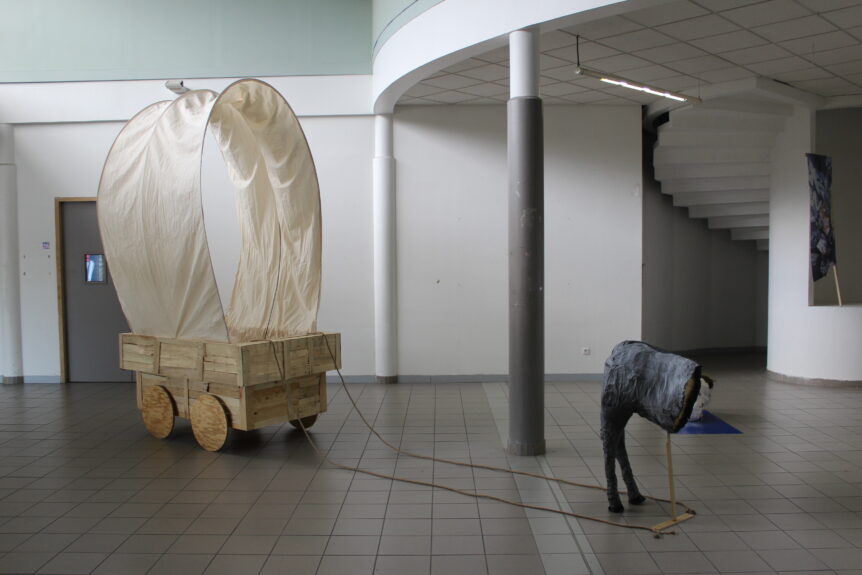
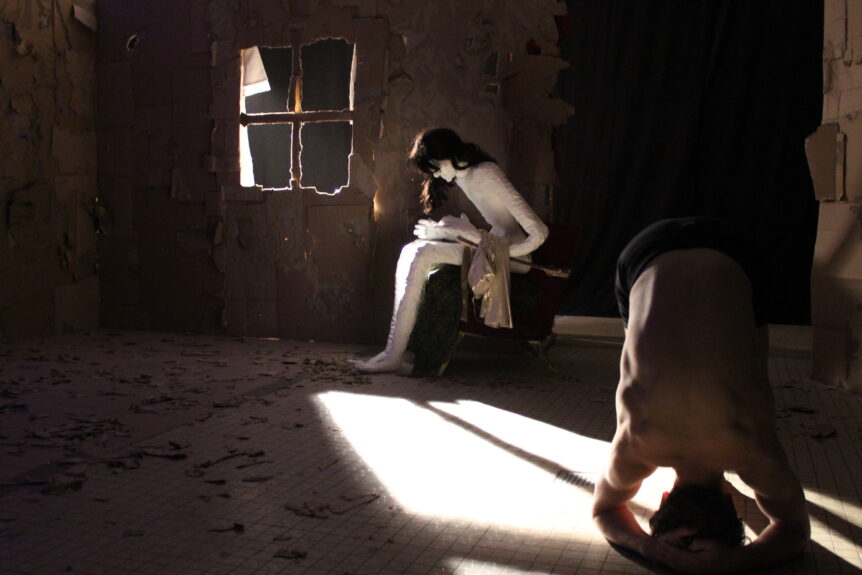
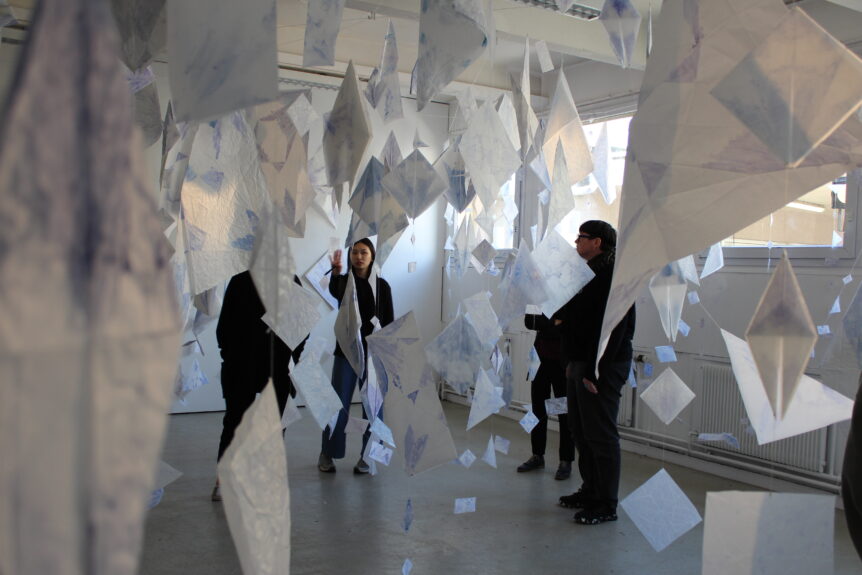
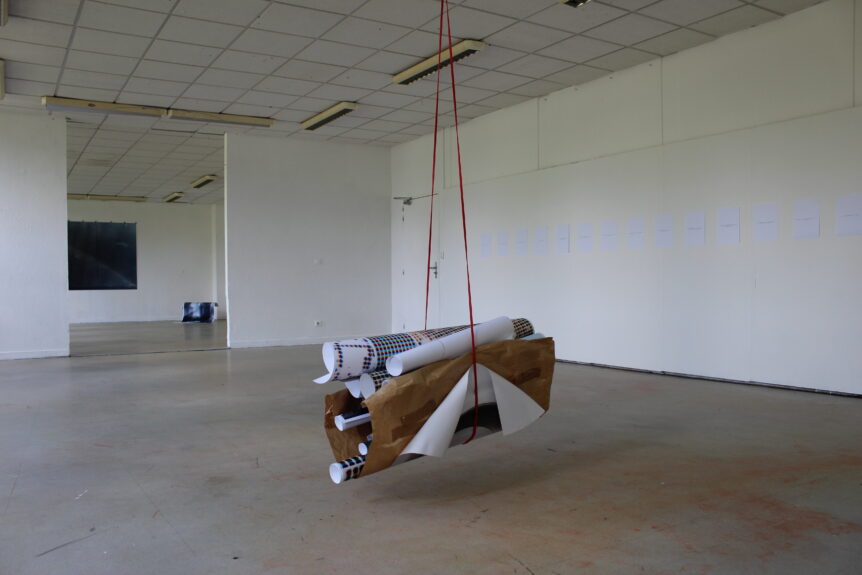
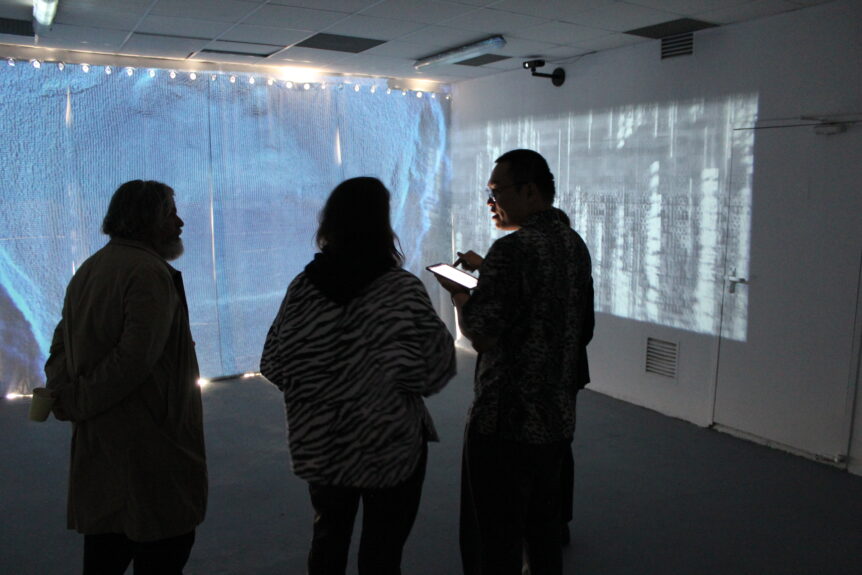
The first year provides basic training that allows students to access the various departments available in art schools. The aim of this period is to introduce students to a variety of disciplines, open their minds to different creative worlds, and provide them with the fundamental principles and methods necessary in the fields of artistic creation. The objective is also to enable students to improve their work and research skills and analytical abilities, and to shape their relationship with the world through the gradual mastery of creative tools.
All 60 credits are required to progress to the second year.
This year’s program is designed to allow students to discover as wide a range of techniques, practices, and skills as possible. It lays the foundations for an evolving artistic vocabulary.
Coordinator: Lionel Bayol-Thémines
The aim of semesters 3 and 4 is to deepen theoretical, technical, and practical knowledge and to initiate the development of personal research. Second-year students complete a comprehensive course in technical workshops: image processing (analog and digital photography) and motion (video), volume: ceramics, metal, wood, printing: screen printing, engraving, lithography, sound, multimedia, etc. This compulsory course, which covers various research topics, is designed to give students practical knowledge of all the resources available to them, enabling them to lay the foundations for what will become their personal creative project.
There is the possibility of studying abroad as part of the ERASMUS+ program.
A minimum of 108 credits is required to progress to semester 5 and must be made up during the third year. Obtaining 120 credits in the first four semesters leads to the CEAP (Certificate of Studies in Plastic Arts).
Coordinator: Miguel-Angel Molina
The third year completes the first cycle and the “program” phase. It is another year of deepening techniques and knowledge, but it is also a year during which each student begins to build their personal project, with the DNA (National Art Diploma) as the first step. Starting in the third year, individual meetings with teachers accompany the monitoring of personal projects, and sessions known as “contextualization” and “hanging” allow students to practice spatial arrangement and public speaking. Students are prepared for the development of their second-cycle thesis by writing a corpus.
To pass the DNA, a minimum of 165 credits must be obtained. Successful completion of the DNA validates 180 credits.
Coordinators: Béatrice Lussol and Jason Karaïndros
DNA option
Graphic design and interactivity
Le Havre Campus
The Graphic Design and Interactivity program allows students to acquire fundamental skills in the field of graphic design through the major disciplines of the field: editorial design, visual identity, typography, interaction design, web design, and programming languages.
Rooted in the tradition of art schools, students also develop skills and expertise in drawing, painting, sculpture, and photography, enabling them to assert their position as creators nourished by a broad culture of contemporary creation.
During years 2 and 3, students deepen the knowledge they began to acquire in their first year, while gradually leaving more room for personal experimentation. A wide variety of work and research formats allows each student to develop their own position and assert their identity. The emphasis is on developing unique visual languages and on the students’ ability to articulate issues of meaning and plastic questions. Real-world projects and contact with professionals encourage the development of teamwork skills and introduce students to the economic, ergonomic, and ecological issues involved in projects, as well as their feasibility. The third year is structured around the student’s personal project, which will be presented during the Diplôme National d’Art (DNA).
Obtaining the DNA allows students to apply for graduate studies at éasadhar or another art school in France or abroad. Students may also pursue university studies or other specialized training.
Teaching team
[table id=”2791″]
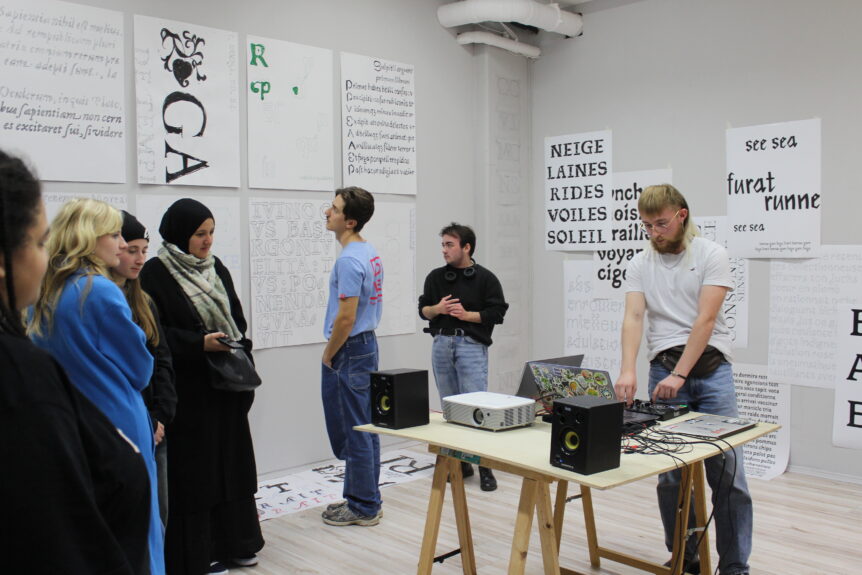
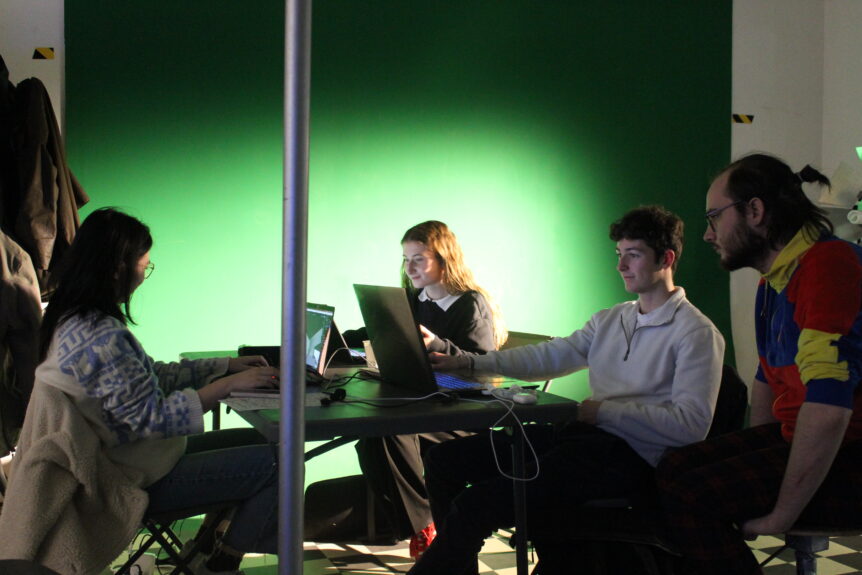
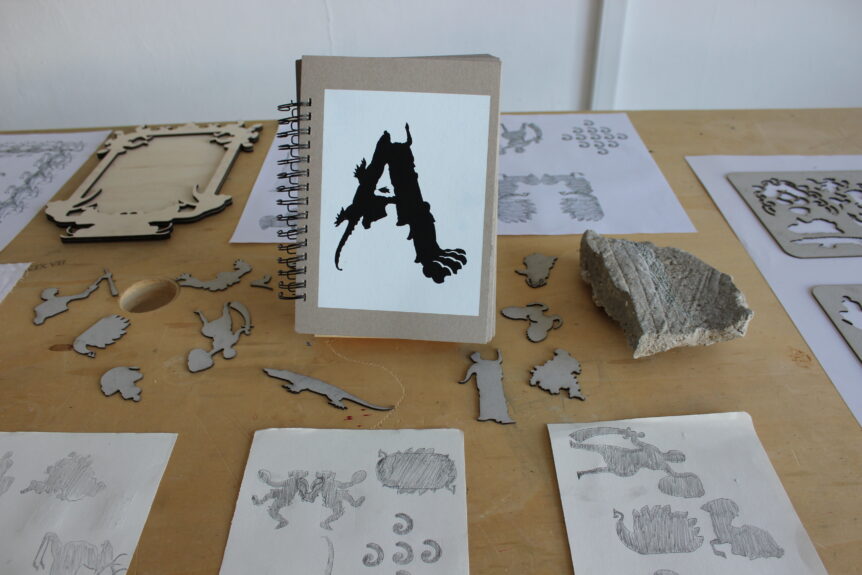

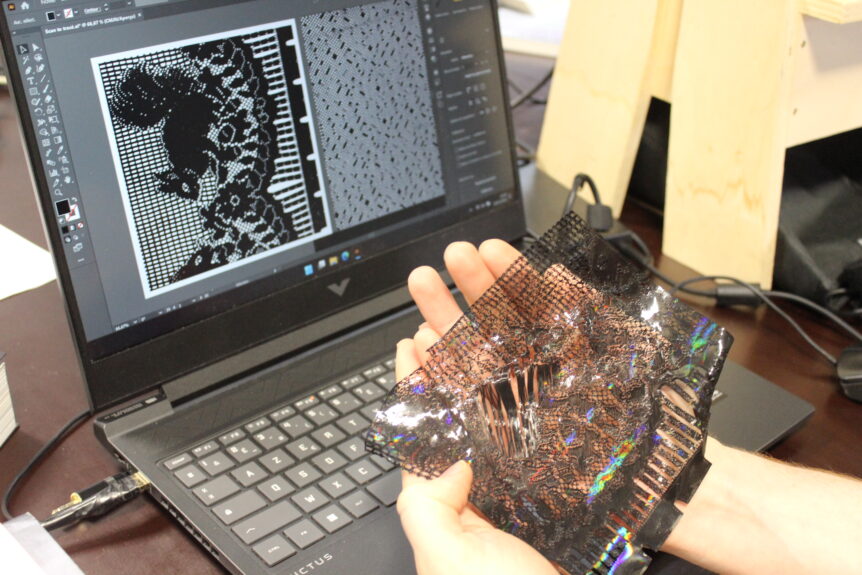
The first year of study is a time for experimentation and acquiring the fundamentals essential to artistic studies. Students adapt to a new educational rhythm. They familiarize themselves with the disciplines taught, studio practice, and theoretical courses (art history, graphic design, aesthetics, writing). This introductory year allows students to use all of the school’s studios and resource areas, meet the administrative and teaching staff, and familiarize themselves with the culture of graphic design and its key players.
All 60 credits are required to progress to the second year.
Coordinator: Gilles Azézat
List of supplies
The second year of study allows students to consolidate and deepen their knowledge. The teaching approach encourages students to strengthen their visual language and begin to engage with contemporary graphic design culture, as well as to take a critical and active approach to the challenges of the discipline in institutional, associative, self-managed, public, and private settings. This year also offers the opportunity to participate in an Erasmus exchange program for a semester, a year, or an internship.
A minimum of 108 credits is required to progress to semester 5 and must be made up during the third year. The validation of 120 credits at the end of year 2 leads to the CEAP (Certificate of Studies in Plastic Arts).
Coordinator: Sonia Da Rocha
The third year of study allows students to develop independence in their work and thinking. The aim is to demonstrate their ability to master the artistic and theoretical challenges of their work through projects and research in the fields of art and design. By the end of semester 6, students must have integrated the specificities of artistic and graphic culture, its methodology, and its specific vocabulary.
To be eligible for the DNA, students must have earned 165 credits. Successful completion of the DNA validates 180 credits.
A 15-day (70-hour) internship accompanied by an internship report must be validated before the end of the third year (2 ECTS).
Coordinator: Bachir Soussi-Chiadmi